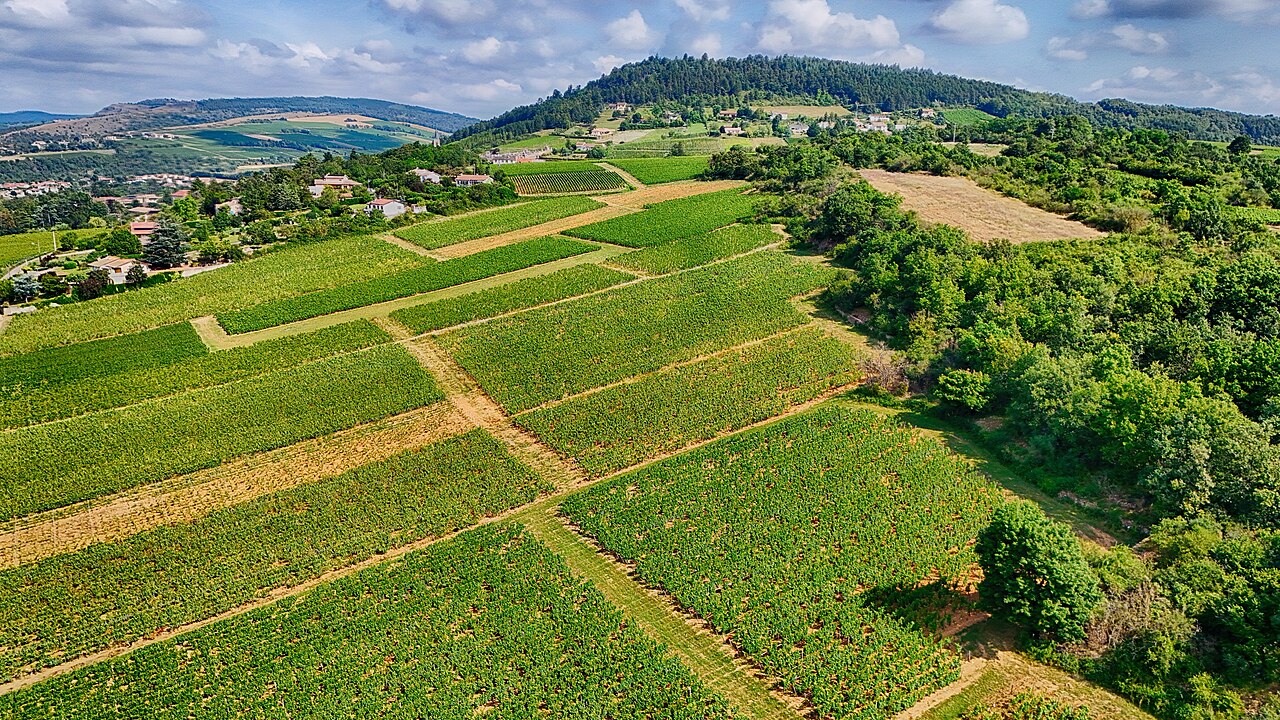
Producer Sourcing
New labels are found through direct visits, tastings, and referrals within a small network of producers, rather than broad catalog sourcing.
Vin Sauvage, LLC is a Las Vegas-based importer and distributor working with small-lot wine producers whose bottles rarely reach a shelf without a dedicated partner behind them.
Working with limited-production wine means fewer cases per label, more direct relationships, and a distribution approach that treats each producer differently.
Portfolio relationships are built directly with producers rather than through layered intermediary contracts.
Bottles move to restaurants and retail accounts rather than through direct-to-consumer retail counters.
Limited quantities are allocated honestly across accounts rather than favoring whoever orders loudest.
Temperature-sensitive shipments are tracked from the cellar to the Nevada warehouse, not just to a port.
Adding a new label is a slower process than a typical wholesale order, and it tends to follow a similar path each time.
Most relationships start through direct visits or referrals from other producers already in the portfolio.
Wines are tasted against the existing portfolio to see whether they fill a real gap rather than duplicate something already carried.
Licensing, labeling, and import paperwork are handled before the first shipment leaves the producer.
New labels are introduced to restaurant and retail buyers with context on the producer, not just a price sheet.
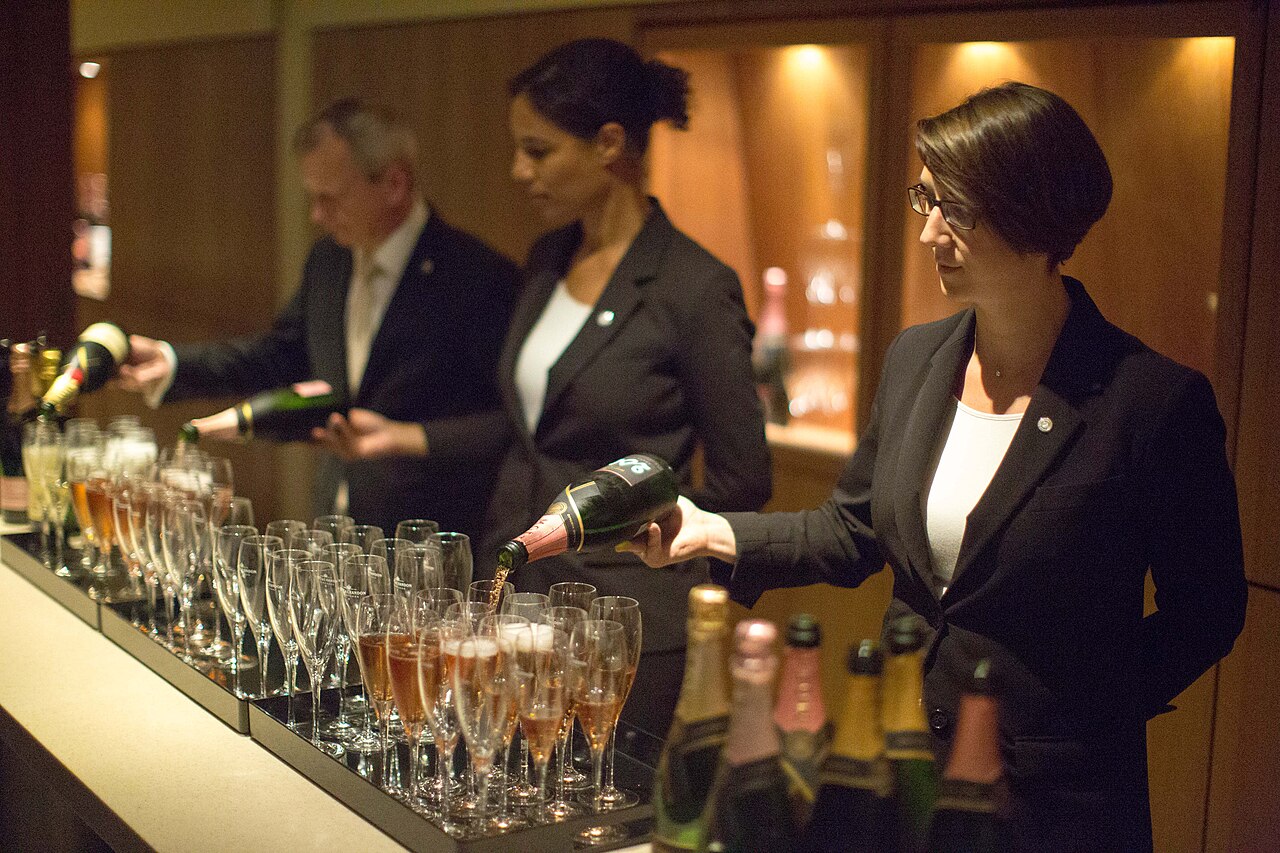
Vin Sauvage operates out of South Decatur Boulevard in Las Vegas, a logistics-friendly base for reaching accounts across Nevada and neighboring markets.
The portfolio leans toward producers making wine in limited quantities, where a distributor's attention actually matters to whether the wine gets noticed at all.
Read our full story
A producer making a few hundred cases a year cannot compete for attention against high-volume brands through a standard wholesale catalog, so the relationship has to be more direct.
That means visiting cellars, tasting through vintages, and making allocation decisions based on which accounts will actually represent the wine well, not just which order came in first.
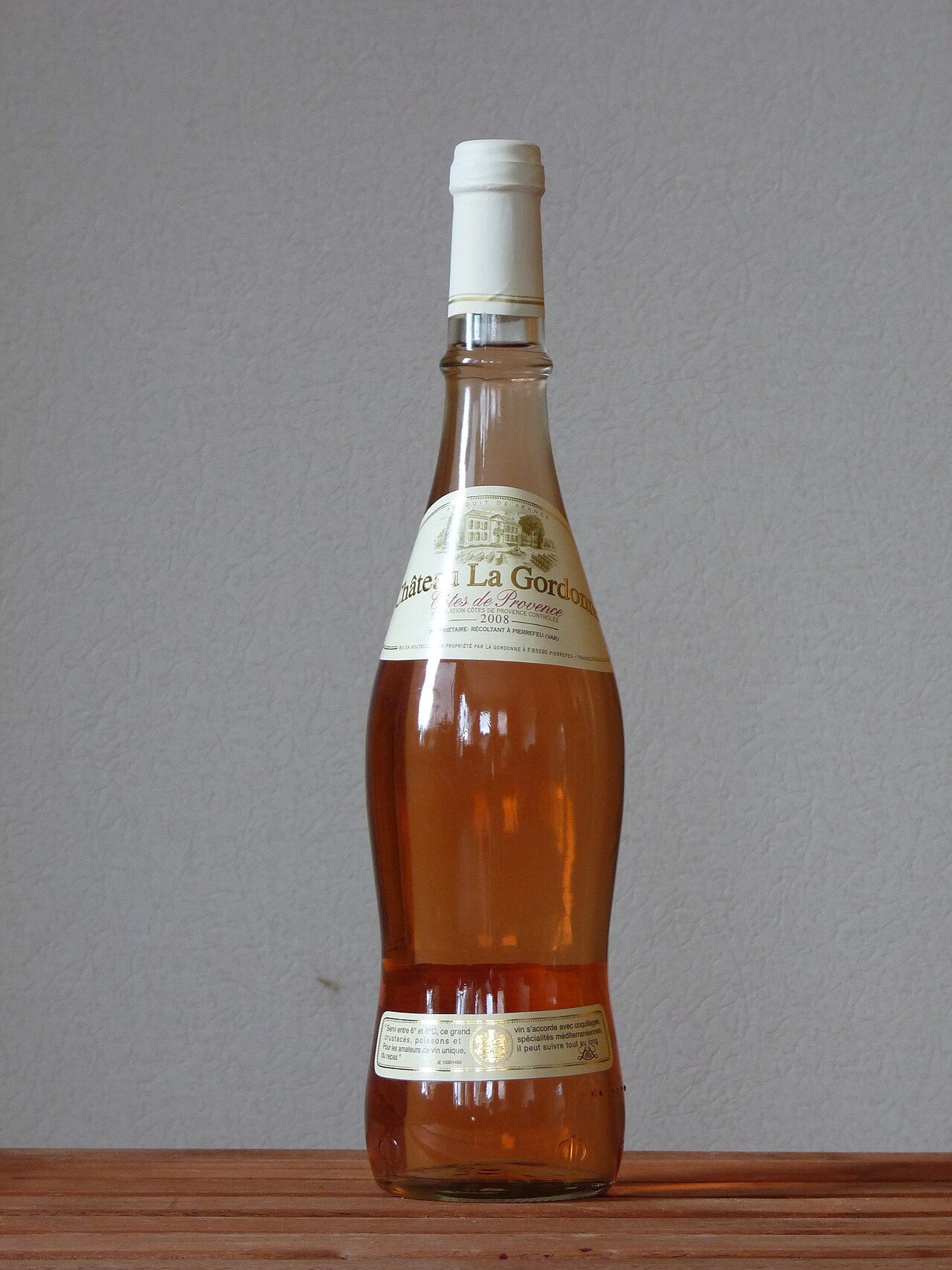
The South Decatur Boulevard location was chosen for logistics as much as anything — proximity to major shipping routes makes it practical to serve accounts across the region.
Even so, the day-to-day work leans more toward relationship management than warehouse operations: producer calls, account visits, and allocation planning take up most of the week.
From sourcing to delivery, each stage is built around small production runs rather than high-volume wholesale.
New labels are found through direct visits, tastings, and referrals within a small network of producers, rather than broad catalog sourcing.
Licensing, labeling, and customs documentation are handled for each shipment before it leaves the country of origin.
Allocations are placed with restaurant and retail accounts based on fit and demand, with limited quantities managed transparently.
A short list of principles behind which producers get added and how they are represented.
Producers are worked with directly rather than through layered import intermediaries whenever possible.
Limited-quantity wines are allocated based on fit with an account, not simply first-come ordering.
Temperature and shipping conditions are tracked from cellar to warehouse, not assumed to be fine by default.
The business is built to serve restaurant and retail accounts, not direct-to-consumer sales.
Trade accounts and restaurant buyers are welcome to reach out for current availability and tasting arrangements.